Introduction
LPG is one of the most widely used energy sources in the world, yet many people who cook on it every day know surprisingly little about what it is or how it works. A basic understanding of LPG—its composition, its behaviour under pressure, and the principles that govern its safe use—helps every user make better decisions about storage, handling, and management.
What Is LPG?
LPG stands for Liquefied Petroleum Gas. It is a hydrocarbon fuel consisting primarily of propane (C₃H₈) and butane (C₄H₁₀), either in isolation or as a blend. LPG is produced as a by-product of natural gas processing and petroleum refining.
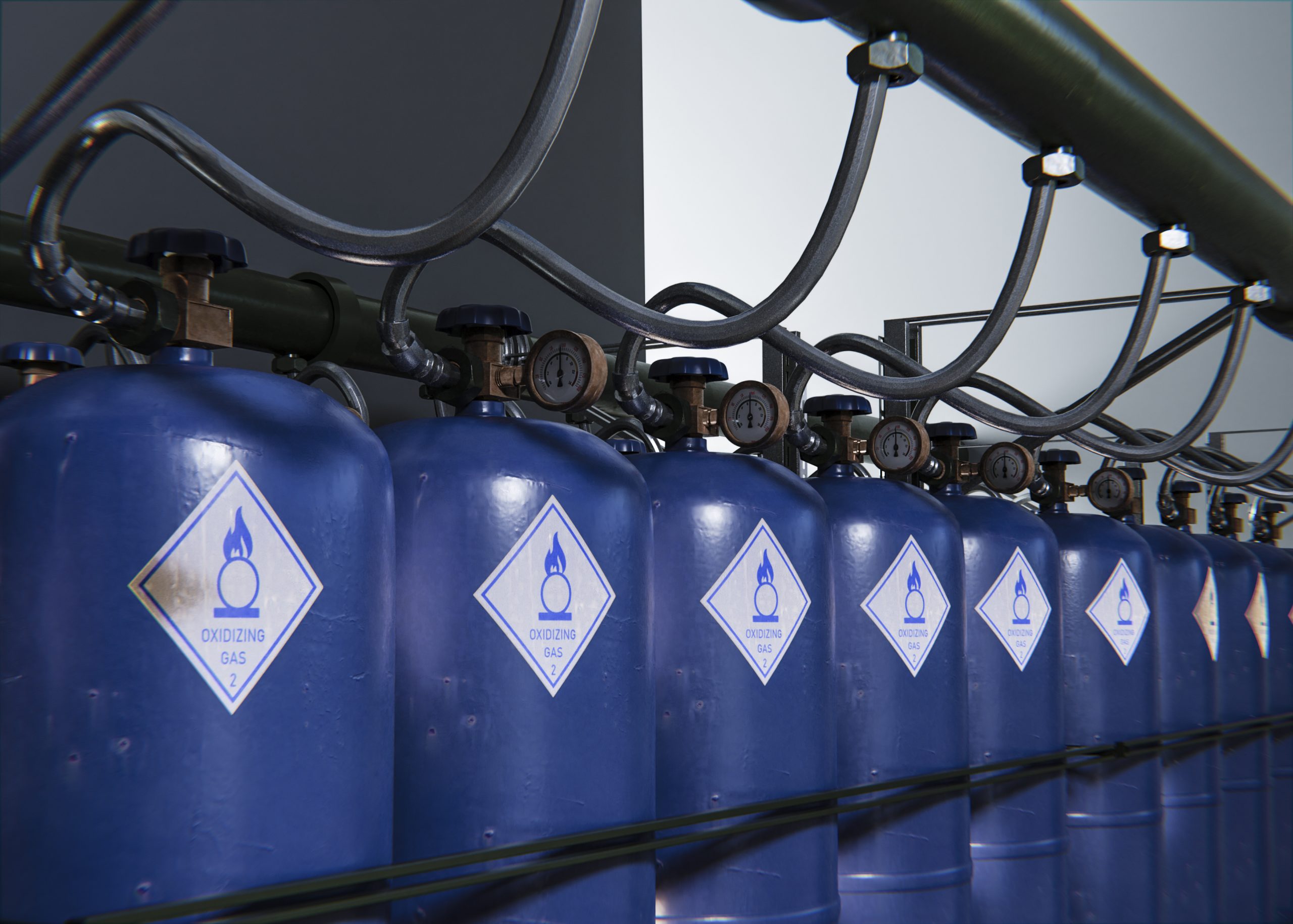
At normal atmospheric pressure, propane and butane exist as gases. However, they can be compressed into liquid form at relatively low pressures—typically around 7 to 10 bar for propane and 1.5 to 3 bar for butane at room temperature. This liquefaction is what makes LPG so practical: a cylinder that contains gas in liquid form holds far more energy than the same cylinder could if the contents remained gaseous.
How LPG Works in Your Cylinder
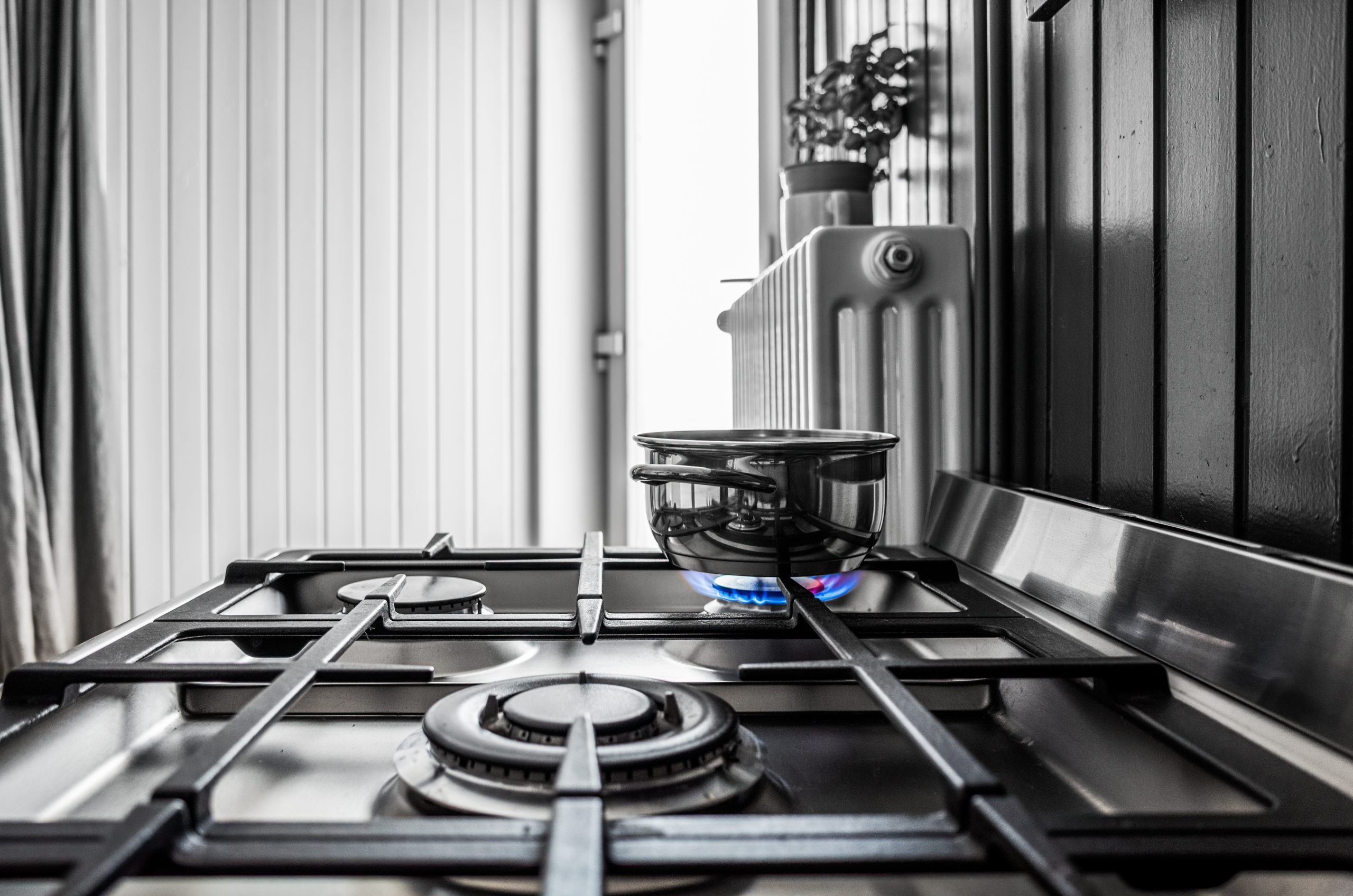
Inside your cylinder, LPG exists as a liquid at the bottom and as a gas (vapour) above it. When you open the valve and ignite your burner, gas vapour is drawn from the space above the liquid and burned. As vapour is consumed, more liquid evaporates to replace it, maintaining the pressure inside the cylinder.
This is why LPG cylinders feel the same pressure whether they are 90% full or 30% full—the pressure is maintained by the liquid-vapour equilibrium until the liquid is nearly exhausted. It is also why a pressure gauge is not a reliable indicator of remaining LPG content—and why weight-based monitoring, as used by the Triotics Gas Checker, is the correct approach.
LPG and Temperature
Because the vapour pressure of LPG depends on temperature, cold environments can affect the performance of gas appliances. Butane, in particular, has difficulty maintaining adequate vapour pressure below approximately 0°C. Propane performs better in cold conditions, which is why it is preferred in colder climates. Many household LPG blends are formulated to balance performance across typical ambient temperature ranges.
Why LPG Is So Widely Used
LPG is portable, energy-dense, relatively clean-burning, and available across most of the world. It does not require a fixed pipeline network, making it ideal for use in areas without natural gas infrastructure. It burns with a controllable, high-temperature flame, making it excellent for cooking, water heating, and space heating applications.
Conclusion
Understanding what LPG is and how it behaves inside a cylinder helps you use it more safely and efficiently. And with Triotics providing real-time weight-based monitoring of your cylinder’s contents, you always know exactly how much energy you have available—at a glance, from your phone.