Introduction
LPG is an efficient fuel, but like any energy source, it can be wasted through poor habits and inefficient appliances. Reducing your household LPG consumption is not just an environmental consideration—it has a direct, tangible impact on your monthly energy costs. Combined with smart monitoring through the Triotics App, you can both track your usage and identify opportunities to reduce it.
Use the Right Burner Size for the Right Pot
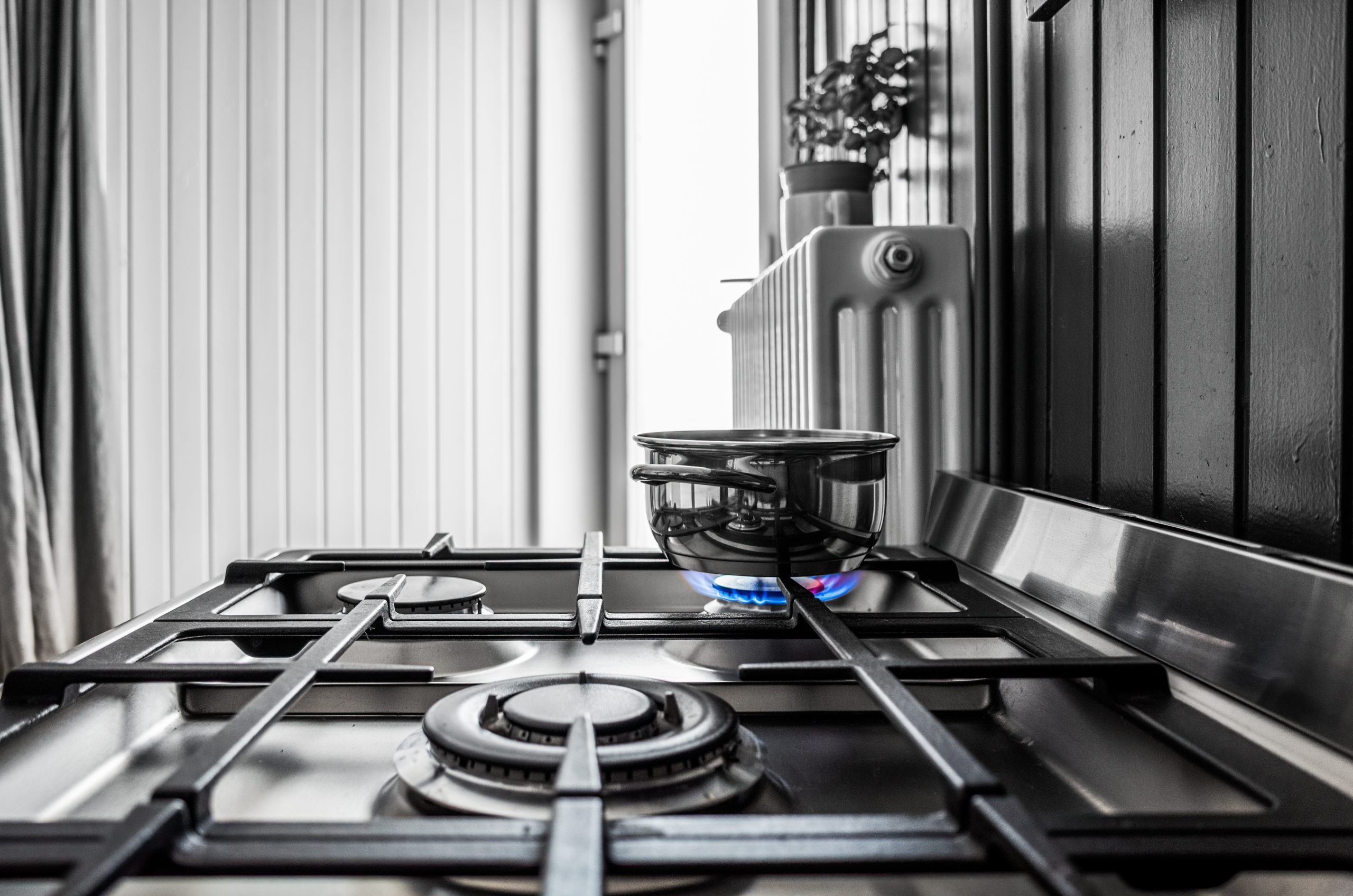
Using a large burner under a small pot wastes heat that escapes around the sides. Match the burner size to the base of your cookware. Heat transfer is more efficient when the flame engages only the base of the pot, not the sides.
Cover Pots and Pans When Cooking
A covered pot retains heat and reaches boiling temperature significantly faster than an uncovered one. This simple habit can reduce cooking time—and gas consumption—by 20-30% for boiling tasks such as cooking pasta, rice, or vegetables.
Turn Down the Flame After Reaching Temperature
Many cooks use maximum flame throughout the cooking process. Once a liquid is boiling or a pan is hot, a much lower flame is sufficient to maintain the cooking temperature. Reducing flame intensity dramatically reduces gas consumption without affecting the quality of the food.
Thaw Food Before Cooking
Cooking food from frozen requires significantly more energy than cooking from room temperature or refrigerator temperature. Allow frozen food to thaw naturally before cooking to reduce the time and gas required to bring it to temperature.
Use a Pressure Cooker
Pressure cookers cook food at higher temperatures under pressure, dramatically reducing cooking time compared to conventional pots. For slow-cooking dishes such as beans, lentils, or tough meat cuts, a pressure cooker can reduce cooking time—and gas use—by up to 70%.
Monitor Your Consumption with Triotics
The Triotics App, paired with the Gas Checker, shows you your gas level in real time. By checking the app regularly, you can develop an intuitive sense of your household’s consumption rate and identify periods of unusually high use. If your gas is depleting faster than expected, this is a signal to investigate—it could indicate a habit change, a new appliance, or even a small leak.
Service Your Appliances Regularly
Gas burners with clogged or partially blocked jets burn inefficiently, consuming more gas to produce less heat. Clean your burner heads regularly and have a qualified technician service your gas appliances annually.
Conclusion
Small changes in cooking habits can produce meaningful reductions in LPG consumption over time. Combine these practical tips with the real-time visibility provided by the Triotics Gas Checker, and you have both the habits and the data to manage your gas use as efficiently as possible.