Introduction
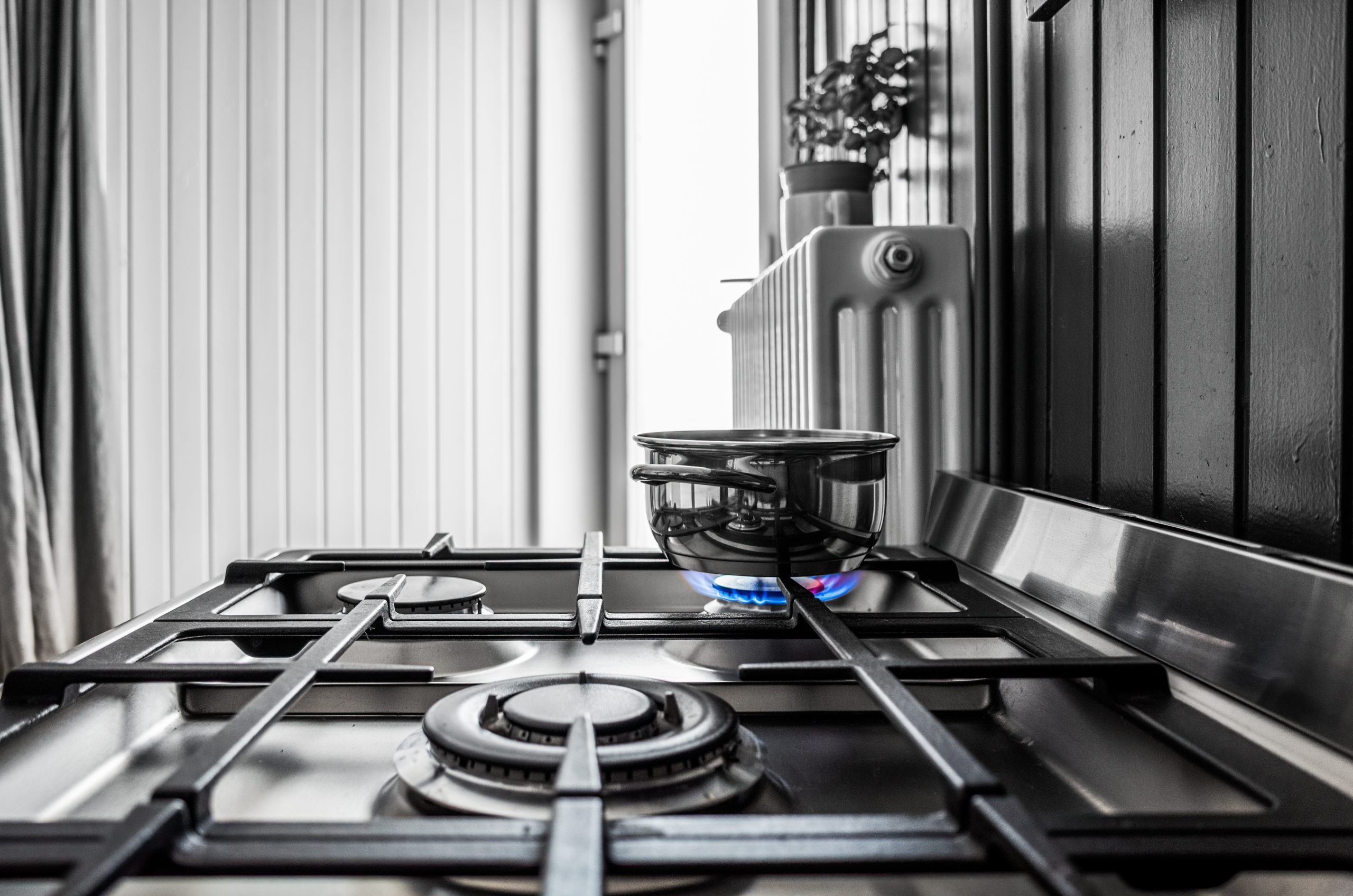
For hotels, restaurants, lodges, and catering operations, LPG is not a convenience—it is a mission-critical utility. The kitchen runs on gas. Guest experience depends on it. An unplanned gas outage during a busy breakfast service or a function dinner is not just an operational problem; it is a reputational risk. Yet the vast majority of hospitality businesses still manage their LPG supply through the same manual, reactive processes that households use. Triotics offers a smarter, professional-grade alternative.
The Unique LPG Challenges Facing Hospitality
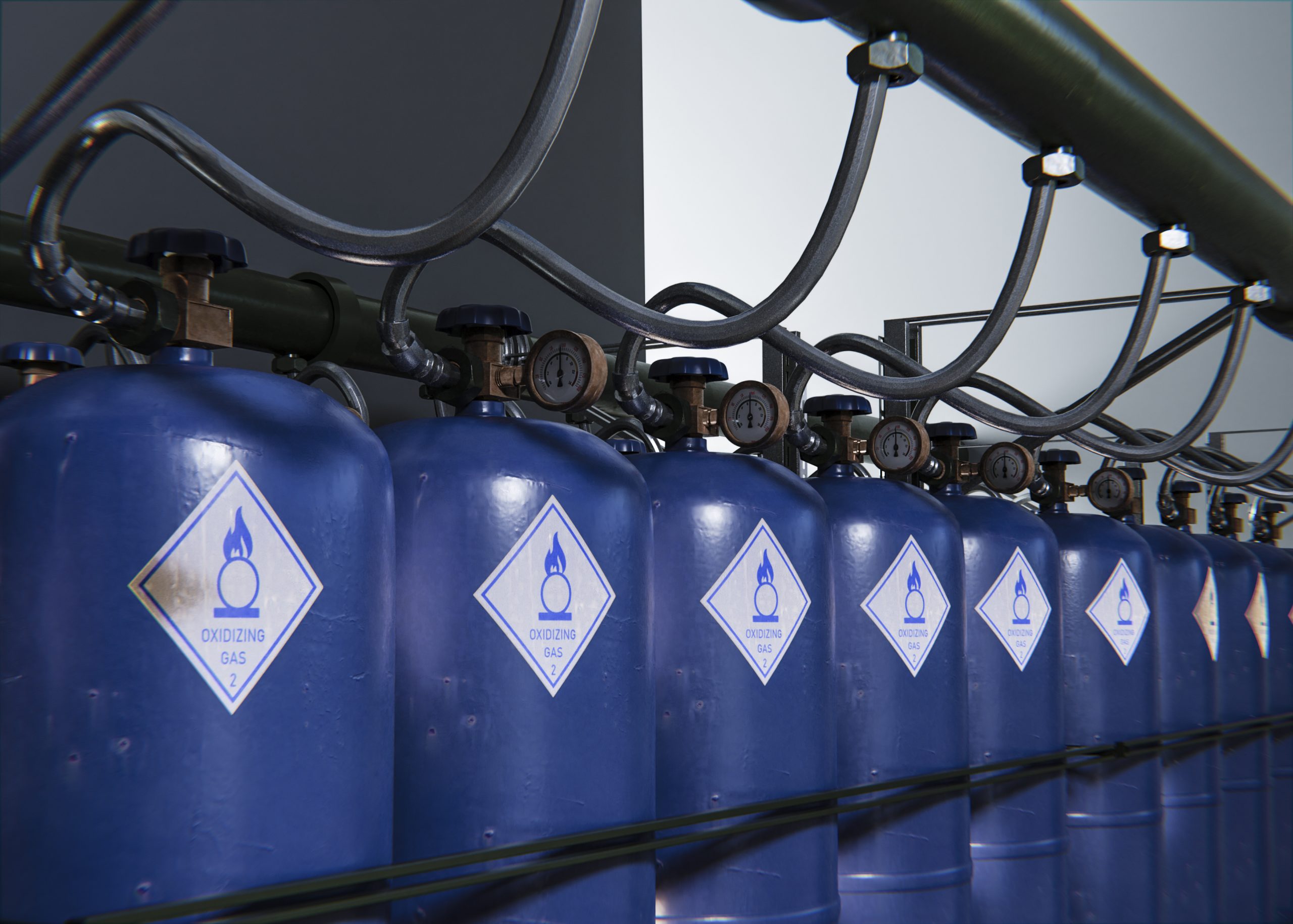
A typical hotel or restaurant kitchen may run several cylinders simultaneously across multiple cooking stations and water heating systems. The gas consumption rate varies significantly depending on occupancy, the number of covers served, and seasonal demand. Manual monitoring—physically checking cylinders or estimating from delivery schedules—is imprecise and typically reactive, meaning the team only acts when gas is critically low or already empty.
This reactive approach carries real costs: emergency refill orders at premium prices, delays to service while waiting for delivery, potential food safety issues from interrupted cooking, and the unnecessary stress placed on kitchen staff who must manage a gas crisis while simultaneously serving guests.
Triotics for Multi-Cylinder Monitoring
The Triotics App allows hospitality managers to monitor multiple cylinders from a single platform. Each cylinder—whether in the main kitchen, the bakery section, the staff kitchen, or the poolside bar—appears on the dashboard with its current level, remaining gas in kilograms, and last update time.
Custom alert thresholds can be set per cylinder, reflecting differences in usage patterns across different areas. A high-volume main kitchen might trigger an alert at 30% capacity, while a supplementary cooking station might be set at 20%. This granular control prevents any single cylinder from being overlooked.
Proactive Refill Scheduling
With real-time gas level data across all cylinders, kitchen managers can shift from reactive emergency ordering to proactive, scheduled refills. Deliveries can be planned for quiet periods—early morning, between meal services, or on low-occupancy days—rather than arranged urgently during peak hours. This not only reduces disruption but typically results in better pricing and service from suppliers.
Supplier Integration and Delivery Tracking
The Triotics App connects hospitality businesses directly to verified local LPG suppliers. Orders placed through the app are processed immediately, and delivery tracking lets the manager or chef on duty know exactly when the gas will arrive. There is no ambiguity, no waiting by the phone for an estimated delivery time, and no risk of a delivery arriving when nobody is available to receive it.
Cost Management and Reporting
Order histories stored in the Triotics App give finance and operations teams a clear record of all LPG purchases, with dates, volumes, and amounts. This data supports accurate cost allocation, budget forecasting, and identification of unusual consumption patterns that might indicate equipment inefficiency or wastage.
Conclusion
For any hospitality business that takes operational efficiency and guest experience seriously, smart LPG management is not an optional extra—it is a fundamental best practice. Triotics provides the tools to monitor, alert, order, and track LPG across an entire property from a single mobile app. It is the professional standard for commercial gas management.