Introduction
The choice between LPG and electricity for home cooking is one that millions of households face, influenced by local energy infrastructure, household budgets, cooking preferences, and environmental considerations. Both energy sources have distinct advantages and limitations. Understanding these trade-offs helps you make an informed decision—and if LPG is your choice, tools like the Triotics Gas Checker help you manage it as efficiently as possible.
Cost Comparison
In many regions, particularly across Africa and parts of Asia, LPG is significantly cheaper per unit of cooking energy than electricity. This cost advantage is particularly pronounced in areas where electricity grids are unreliable or where electricity tariffs are high due to infrastructure costs.
Electricity costs have risen in many markets over the past decade. Electric stoves and ovens are generally less efficient than gas appliances at converting input energy into heat applied to food, partly because electric elements lose heat to the surrounding air. LPG burners apply heat directly and immediately.
Cooking Performance
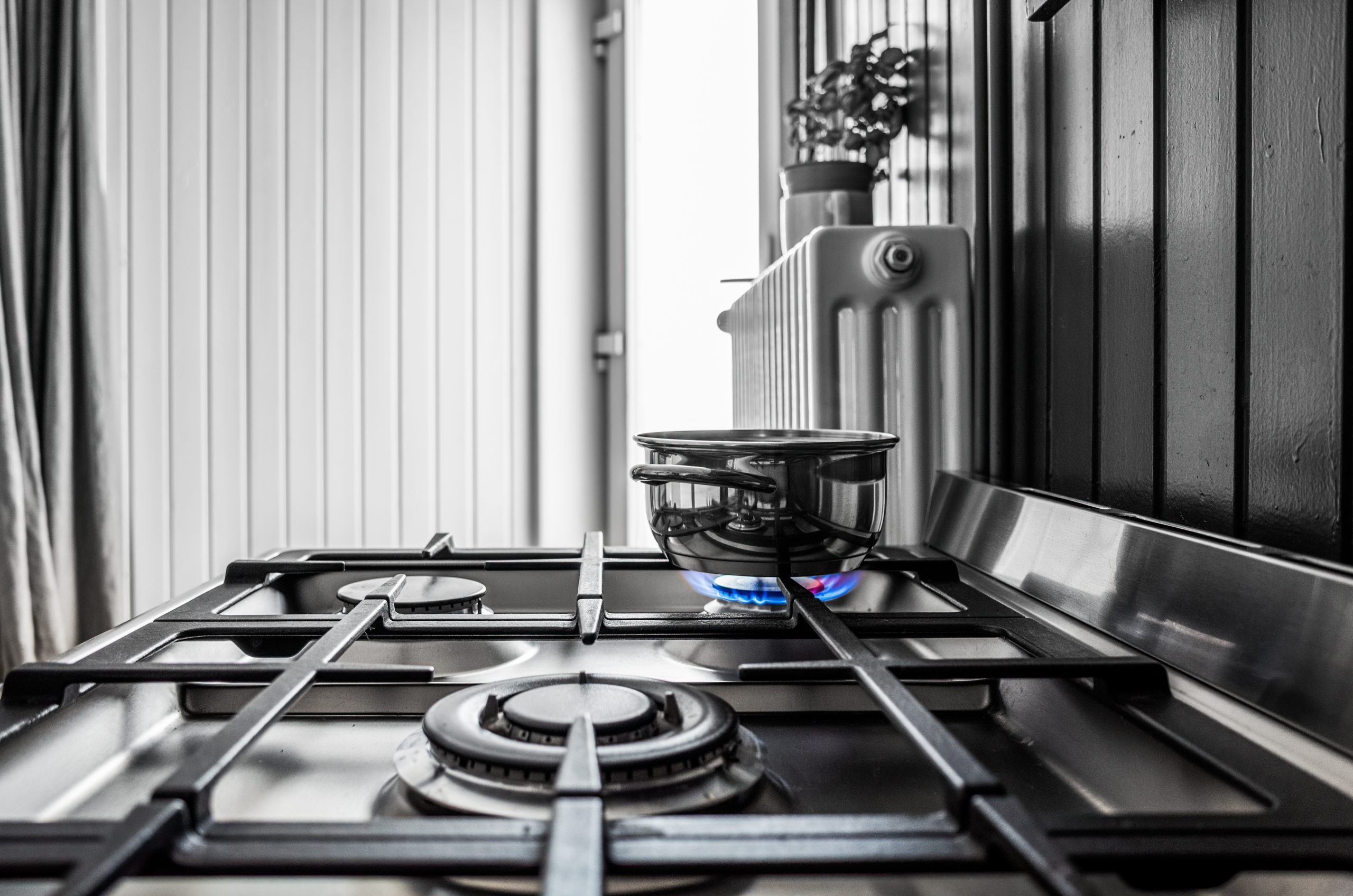
Among professional chefs and serious home cooks, LPG is the consistently preferred cooking medium. Gas burners respond instantly to control changes, allowing precise heat management that is critical for techniques such as stir-frying, sautéeing, and simmering delicate sauces. Electric elements, including modern induction hobs, require adjustment time that can make fine temperature control more challenging.
Baking performance, however, often favours electric ovens, which provide more consistent, even heat distribution. Many households choose a combination: LPG for hob cooking and electric for baking.
Reliability and Grid Independence
In regions with unreliable electricity supply, LPG provides energy independence that electricity simply cannot match. A full cylinder provides cooking energy regardless of power outages, load shedding, or grid failures—a significant practical advantage in many African markets.
This reliability advantage is one of the primary reasons LPG adoption continues to grow in markets where electricity infrastructure is inconsistent.
Safety Considerations
Both LPG and electricity carry safety risks that can be mitigated with proper equipment and practices. LPG risks include leaks, incorrect connections, and cylinder damage. Electrical risks include overloaded circuits, faulty appliances, and electric shocks. Neither is inherently more dangerous than the other when handled correctly.
For LPG users, smart monitoring technology like the Triotics Gas Checker adds a proactive safety layer by maintaining continuous awareness of cylinder level and condition, and by encouraging timely refill ordering from certified suppliers rather than dangerous emergency workarounds.
Environmental Impact
LPG produces significantly lower carbon emissions than coal or wood-based cooking fuels and burns more cleanly than kerosene. Compared to electricity generated from coal-fired power stations—as is common in many African countries—LPG may actually have a lower carbon footprint per cooking session. As electricity grids shift to renewable sources, this comparison will change.
Conclusion
For most households in Africa and other developing markets, LPG offers the best combination of cost, performance, reliability, and energy independence. Pair your LPG setup with a Triotics Gas Checker for real-time monitoring, and the Triotics App for instant refill ordering, and you have a complete, modern cooking energy solution.