Triotics vs Manual Gas Monitoring: A Complete Comparison
The choice between smart and manual gas monitoring is, on the surface, a question of convenience. In practice, it is a question of outcomes — outages prevented, money saved, safety improved, and time recovered. This comparison examines every dimension of the difference between managing gas with Triotics and managing it the traditional way.
Here is a comprehensive comparison of Triotics smart monitoring versus manual gas management methods:
Level Accuracy: 1% vs 20% Error Range
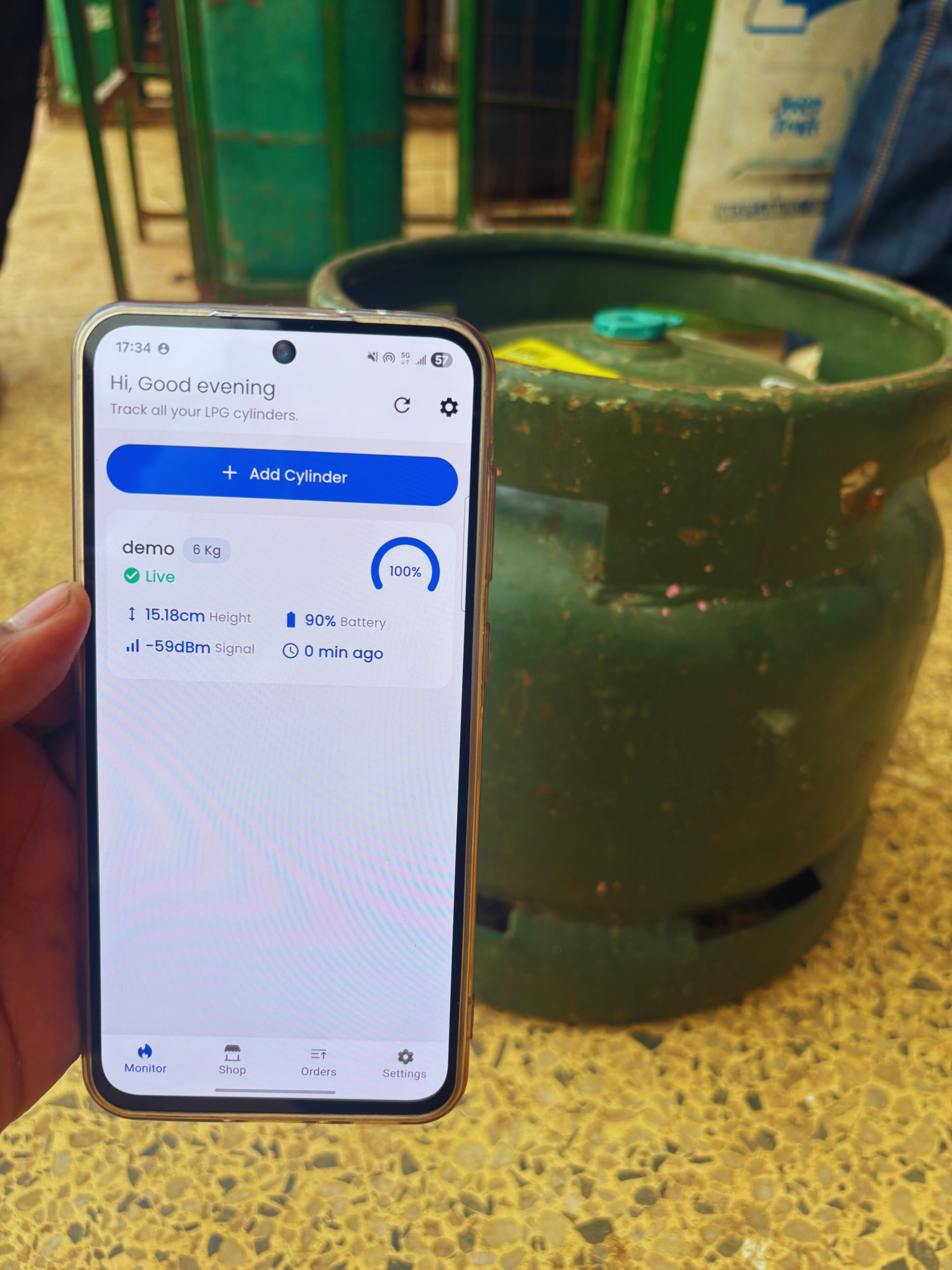
Triotics’s Bluetooth weight measurement is accurate to within 1-2%. Manual estimation by lifting or tapping is typically accurate to within 20% at best.
Awareness: Continuous vs Periodic
Triotics monitors 24/7 and alerts you when action is needed. Manual monitoring happens only when you remember to check — which is rarely at the optimal moment.
Response Time: Days vs Minutes
Smart alerts give you days of warning before running out. Manual monitoring gives you minutes when the flame starts to die.
Cost: Predictable vs Variable
Planned orders enabled by smart monitoring have consistent, predictable costs. Reactive emergency orders carry a premium that is impossible to budget accurately.
Safety: Active vs Passive
Triotics actively monitors for abnormal consumption that indicates leaks. Manual monitoring is entirely passive — you only discover problems after physical inspection.
In every dimension that matters — accuracy, awareness, response time, cost, and safety — smart monitoring outperforms manual methods comprehensively.
The comparison makes the choice obvious. Switch from manual to Triotics and experience the difference in your first week.